Hounslow High Street gardeners guide for small front gardens
Posted on 17/10/2026
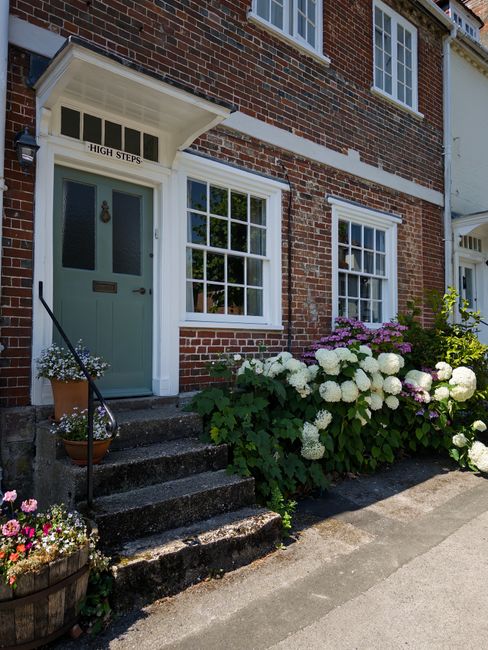
If your front garden on or near Hounslow High Street feels more like a tight little strip than a proper garden, you are not alone. Small front spaces in this part of London have to work hard: they need to look tidy from the pavement, cope with shade, traffic dust, wind, and the occasional forgotten football, and still make the house feel welcoming. This Hounslow High Street gardeners guide for small front gardens is here to help you turn that awkward bit of ground into something attractive, manageable, and genuinely useful.
Truth be told, the best small front gardens are rarely the fussiest. They are the ones with a clear plan. A path that makes sense. Planting that does not swallow the space. Maintenance that fits real life. In this guide, we will walk through what works, what does not, and how to make a small entrance feel calm rather than cramped.
Whether you want a neat low-maintenance look, a softer planted frontage, or a more private boundary, you will find practical ideas here. And yes, we will keep it realistic. No fantasy garden makeovers that only work in a glossy magazine and nowhere else.
Why Hounslow High Street gardeners guide for small front gardens Matters
Front gardens do more than fill space. They shape the first impression of a home, soften hard brickwork, and decide how much maintenance you will face every week. On a busy street like Hounslow High Street, that matters even more. Small front gardens are visible, exposed, and often judged in seconds by passers-by. Fair or not, that little frontage can change how cared-for a property feels.
There is also the day-to-day reality. A small front garden can become a nuisance if it is badly laid out: overgrown shrubs block the window, a path gets muddy, or bins and bikes end up competing for space. A smart design solves those little frustrations before they become recurring jobs. That is the real value here. Not just beauty, but ease.
In our experience, the best results come from treating a tiny front garden as a miniature outdoor room. Every part has a job. The path guides movement. The planting adds softness. The boundary gives structure. Once you see it that way, the decisions get much easier.
There is another reason this topic matters: small gardens can be surprisingly expensive to get wrong. A plant that grows too large, a paving layout that steals all the light, or a hedge that needs constant cutting soon turns into a chore. The goal is not maximum planting. The goal is balance.
How Hounslow High Street gardeners guide for small front gardens Works
A good small front garden plan starts with observation, not shopping. You look at the space as it is now. How much sun does it get? Where does the rain sit after a downpour? Is the frontage narrow, deep, sloped, or boxed in by walls and railings? The answer changes everything.
Then you break the area into zones. Usually there are only three or four:
- Access - the route from gate to door
- Structure - paths, edging, low walls, fences, or railings
- Planting - shrubs, perennials, climbers, or containers
- Practical space - bins, bikes, a small storage nook, or somewhere for letter delivery access
Once those zones are set, the garden becomes easier to design. You are not trying to fit everything in. You are deciding what deserves to be there. That sounds obvious, but people skip this step all the time and then wonder why the space feels cluttered. We have all seen it: too many pots, too many materials, too many "nice little ideas" fighting each other.
For front gardens close to a high street, there is also a visual rhythm to think about. Busy roads, shopfront edges, and passing foot traffic can make a garden feel more exposed than a back garden. A successful design uses repetition and calm shapes rather than lots of visual noise. One strong evergreen, one soft flowering layer, and one clear path often beats five different styles crammed together.
And if your frontage gets shade from neighbouring buildings or trees, that is not a deal-breaker. It just changes the plant palette. Shade-tolerant evergreens, climbers, and ground cover can do a lot of heavy lifting without needing constant fuss. For more ideas on that side of things, the guide on shade-loving evergreen climbers is worth a look.
Key Benefits and Practical Advantages
A well-planned small front garden gives you more than curb appeal. It solves actual everyday problems, and that is where the real value sits.
- Better first impressions - a tidy frontage makes the whole property feel more cared for
- Less maintenance - the right plants and layout reduce weekly effort
- Improved privacy - even a modest planting scheme can soften views from the pavement
- Clearer access - a sensible path layout makes coming and going easier
- More usable space - small gardens can still hold seasonal pots, herbs, or a compact feature bed
- Better resilience - the right planting copes better with urban exposure, wind, and seasonal stress
One of the biggest benefits is psychological, oddly enough. A small, tidy front garden can make a house feel calmer before you even open the door. On a frosty morning in January or a warm, slightly dusty July evening, that matters more than people expect. Small win, but a real one.
There is also a practical financial angle, although that depends on the work involved and the materials chosen. A simple design using robust planting and durable finishes is usually easier to maintain over time than a more elaborate arrangement with high upkeep. Less churn. Fewer expensive "fixes."
If you are aiming for a low-maintenance result, start with the basics. Ground cover can help suppress weeds, and compact planting schemes tend to be easier to keep under control. If you want ideas for that approach, this ground cover planting guide is a useful companion read.
Who This Is For and When It Makes Sense
This guide is for homeowners, landlords, and tenants who want a smarter front garden without turning it into a major project. It is especially useful if your space is:
- small and narrow
- partly shaded or heavily exposed
- currently underused or overgrown
- in need of a neater, more welcoming look
- hard to maintain because the planting is too large or too messy
It also makes sense if you are deciding between a few different approaches: planting versus hard landscaping, low maintenance versus seasonal colour, or privacy versus openness. Those are the real questions. Not "what looks nice?" but "what will still look nice in six months?"
Let's face it, front gardens are often where good intentions go to die. People plant too much in spring, then spend the rest of the year trimming, watering, and apologising to the neighbours. If that sounds familiar, you are the right reader for this guide.
You may also be at the point where some jobs are beyond a quick tidy-up. If that is the case, broader garden maintenance in Hounslow can help with the recurring bits that keep a small garden from slipping backwards.
Step-by-Step Guidance
Here is a practical way to approach a small front garden without overcomplicating it.
- Measure the usable space
Start with width, depth, and the space taken up by a path, step, wall, or gate. In small gardens, a few inches matter. You will often find that a border feels "tiny" only because the circulation space is badly defined.
- Map sun, shade, and exposure
Watch the garden at different times of day if you can. Morning light is not the same as late afternoon shade. A spot that seems suitable in July may feel very different by November, especially if the street funnels wind through it.
- Decide the main function
Do you want privacy, colour, low upkeep, or a cleaner entrance? Pick one primary job and let that lead the rest. A front garden trying to do everything usually ends up doing nothing well.
- Keep the path simple
Straight or gently curved paths work best in compact spaces. They are easier to maintain and make the garden look more open. Wide enough to move comfortably, but not so wide that planting disappears.
- Choose a restrained plant palette
Stick to a few reliable plants rather than a long mixed list. Repetition creates calm. A strong evergreen base with seasonal accents is often the neatest answer.
- Use height carefully
Vertical interest helps, but too much height closes the space in. A single small tree, a climber on a wall, or a slim privacy hedge can work well if it is chosen with the mature size in mind.
- Finish with edging and mulch
Clean edging gives the whole space a finished look. Mulch helps retain moisture and reduces weed pressure. Simple, effective, and not glamorous at all - which is exactly why it works.
For homes where every inch matters, a vertical layer can be a smart move. Climbing plants, wall trellis, and narrow features can make the garden feel more alive without using much ground space. If that sounds useful, take a look at transforming spaces with vertical gardens.
Expert Tips for Better Results
A few practical choices make a disproportionate difference in a small front garden. These are the things that tend to separate a decent result from a genuinely good one.
1. Repeat shapes, not clutter
Three matching pots can look more polished than ten different ones. Repetition gives a front garden a sense of intention. One of the easiest ways to make a small space look bigger is to stop breaking it up visually.
2. Match plant size to the space, not to the photo
That tiny shrub in the nursery pot may double or triple in spread. Always think ahead to the mature size. Otherwise, you are buying a pruning job disguised as a plant.
3. Use evergreen structure first
Evergreen shrubs, climbers, and tidy hedging keep the frontage looking stable through winter. Seasonal flowers can then be layered on top, which is much easier to manage than relying on colour alone.
4. Think about street dust and rain splash
Front gardens near roads get grit, traffic dust, and the occasional splash from passing vehicles. Choose finishes and plants that can handle a bit of grime. Glossy perfection is not the goal. Resilience is.
5. Make maintenance a design feature
Ask yourself: can I weed this, water this, and prune this without crawling through a thicket? If not, the design needs simplifying. A good garden should feel inviting, not like an obstacle course.
There is a simple rule we like to use: if a plant or feature makes the garden harder to read from the pavement, it is probably too much. Not always, but usually.
If weather exposure is a concern, especially on open corners or gusty stretches, the advice in handling wind in your garden can help you choose sturdier planting and better shelter strategies.
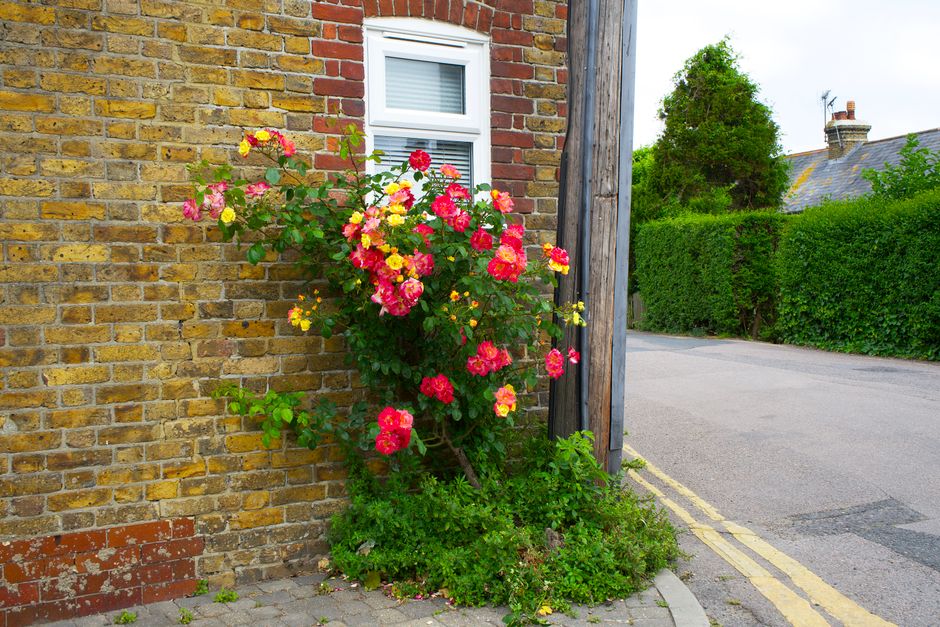
Common Mistakes to Avoid
Small front gardens are unforgiving in a useful way. Mistakes show quickly. That is annoying, yes, but it also means you can fix things sooner.
- Overfilling the space - too many plants, too many pots, too many features
- Ignoring mature size - a hedge or shrub that seems fine today may crowd the entrance later
- Using fussy plants - if the garden gets exposed, choose tough species rather than delicate ones
- Forgetting access - the path must stay practical, especially in wet weather
- Skipping boundaries - a loose edge or tired fence can drag down the whole look
- Choosing the wrong maintenance level - some gardens need weekly attention, others do not, and it helps to be honest about your time
A very common mistake is to buy plants because they looked great for one week in a shop or on a market stall. Fair enough, they were probably looking their best. But the real question is whether they can cope with your site. Shade, wind, dry soil, and street exposure all matter.
Another one: underestimating weeds. In a small frontage, weed pressure can be stubborn because every bit of bare soil is visible. Better to plan for coverage early than to fight it all summer. If weeds are already a recurring headache, this practical piece on weed management tips is well worth your time.
Tools, Resources and Recommendations
You do not need a shed full of kit to improve a small front garden, but a few good tools make the work easier and neater.
- Hand trowel and hand fork - for planting, weeding, and tidying around edges
- Pruners or secateurs - for deadheading and light shaping
- Spade or border fork - useful if you are reworking a small bed or edging
- Wheelbarrow or trug - handy for moving mulch, soil, or cuttings
- Watering can or hose with a gentle spray - important in dry spells, especially for new planting
- Measuring tape - boring, yes, but absolutely useful before you buy anything
- Gloves and eye protection - especially for thorny or twiggy pruning work
If you are designing from scratch, it also helps to keep a rough sketch of the frontage and jot down the conditions in different parts of the space. Nothing fancy. A notebook and a pencil will do. Sometimes that old-school approach is better than a dozen photos on your phone, because you actually slow down and think.
For broader planting inspiration, you may also find these useful:
- container gardening ideas for porches and tight front spaces
- low-maintenance garden tips if you want less upkeep
- beginner gardening tips if you are starting from scratch
Law, Compliance, Standards, or Best Practice
For a front garden on a residential street, the main legal and practical points are usually about safety, access, boundaries, and avoiding nuisance. The exact situation depends on the property, the road, and any lease or planning restrictions that apply. So this is one of those areas where careful checking matters more than assumptions.
If your frontage borders a pavement, path, or shared access area, keep access clear and avoid placing anything that creates a trip hazard. That includes raised edging, loose stones, awkward pots, and overhanging shrubs. It sounds obvious. Still worth saying.
If you are altering boundaries, fences, gates, or walls, check whether permission is needed before making structural changes. For some properties, especially if they sit within a managed estate or have specific covenants, the rules may be more restrictive than you expect. A quick check can save a lot of trouble later.
From a best-practice point of view, safe garden work means using the right equipment and keeping the site tidy while you work. Good housekeeping matters: tools stored properly, cuttings cleared away, paths left safe, and pruning kept under control. If you want a sense of the standards a professional team should observe, the pages on health and safety and insurance and safety are useful reference points.
It is also sensible to be clear about service expectations, pricing, and any terms before work begins. Even on a modest front-garden job, clarity prevents awkward surprises. Plain-English communication, really. The unglamorous stuff that keeps everyone happy.
Options, Methods, or Comparison Table
When you are choosing a direction for a small front garden, it helps to compare the main approaches side by side. None is universally best. The right choice depends on your time, taste, and the site itself.
| Approach | Best for | Pros | Trade-offs |
|---|---|---|---|
| Low-maintenance planting | Busy households, landlords, simple frontages | Neat appearance, easier upkeep, reliable year-round structure | Can feel a little restrained if not layered well |
| Mixed seasonal planting | People who enjoy gardening regularly | More colour and interest across the year | Needs more pruning, watering, and planning |
| Container-based design | Paved or very narrow front spaces | Flexible, tidy, easy to rearrange | Requires watering and feeding, especially in summer |
| Privacy-led planting | Homes overlooked from pavement or road | Softens views, adds screening, improves comfort | Needs careful species choice to avoid overcrowding |
In many Hounslow front gardens, the sweet spot is a hybrid: a compact structural backbone, a few well-chosen containers, and one privacy element where it is needed most. That tends to feel balanced and human, not overdesigned.
If you are considering hedging as part of the solution, there is a useful comparison between different screening options in fast-growing hedges for privacy. And if you need shaping or upkeep later, hedge trimming in Hounslow is the kind of ongoing care that keeps the design looking sharp.
Case Study or Real-World Example
Here is a realistic example. A narrow front garden close to Hounslow High Street had a short path, an overgrown shrub by the bay window, patchy lawn, and a few tired pots that never quite looked intentional. Nothing dramatic, just a space that felt stuck.
The fix was modest, not flashy. The lawn came out. The path was kept clear and edged properly. The large shrub was replaced with a smaller evergreen structure plant, and two containers were placed near the entrance for seasonal interest. A climber was added to one side boundary to give height without taking up ground space. The result was not a "show garden," and it did not need to be. It looked neat, lighter, and easier to live with.
What changed most was the feeling at the front of the house. It stopped looking like a leftover strip and started reading as part of the home. You could tell someone had thought about it. That is often the difference between a front garden that disappears and one that quietly does its job.
A small detail made a big impact too: the planting was chosen for steady structure first, then seasonal variation. That meant the garden still looked composed in colder months, not just during peak bloom. Small thing, big difference.
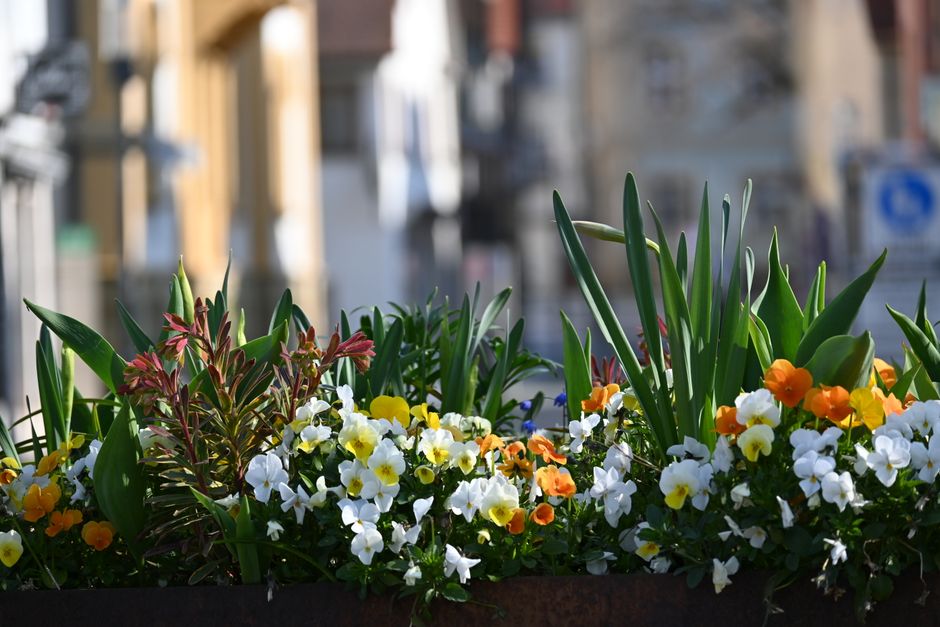
Practical Checklist
Before you start or brief a gardener, use this checklist to keep the project grounded:
- Measure the space accurately
- Note sun, shade, wind, and drainage
- Decide the main purpose of the garden
- Keep access routes clear
- Choose plants that suit the mature space, not just the current pot size
- Use fewer, stronger design elements
- Allow for maintenance access around borders and containers
- Check whether boundaries, fences, or gates need permission
- Plan for weed control early
- Pick a finish that fits the house style and the street setting
- Think about winter appearance as well as summer colour
- Leave room for bins, bikes, or everyday practical needs if needed
If you can tick most of those boxes, you are already ahead of the game. Honestly, quite a lot ahead.
Conclusion
A good small front garden is not about cramming in as much as possible. It is about making a compact space feel calm, tidy, and useful every single day. On Hounslow High Street and nearby streets, that usually means choosing resilient planting, keeping access simple, and designing with maintenance in mind from the start.
The best front gardens do not shout. They welcome. They feel easy, even in wet weather, even in winter, even when you have only five minutes before heading out the door. And that is the point, really.
If you are ready to improve your frontage, start small and think carefully. A clear plan, the right plants, and a little professional help where needed can turn a tricky strip of ground into one of the nicest parts of the property. Quietly satisfying stuff.
Get a free quote today and see how much you can save.
And if all you do this week is measure the space, sketch a rough plan, and remove one awkward plant, that is still progress. Small gardens reward steady hands.

Drawing from years of experience in the gardening sector, Shane crafts a range of articles encompassing diverse gardening and landscaping topics. Through her efforts, she has enabled numerous individuals to appreciate exquisite garden designs.